

Categories
Arizona homebuyers, Arizona Luxury, Arizona Real Estate, Scottsdale Real Estate, Scottsdale Luxury Real Estate, Scottsdale Housing Market, Paradise Valley Luxury, Paradise Valley Real Estate, North Scottsdale homes, Luxury Homeowners, luxury home buying guide, East Valley Luxury, East Valley real estate, East ValleyPublished September 28, 2026
The Luxury Home “Ownership Manual”: What Every New Estate Owner Should Know

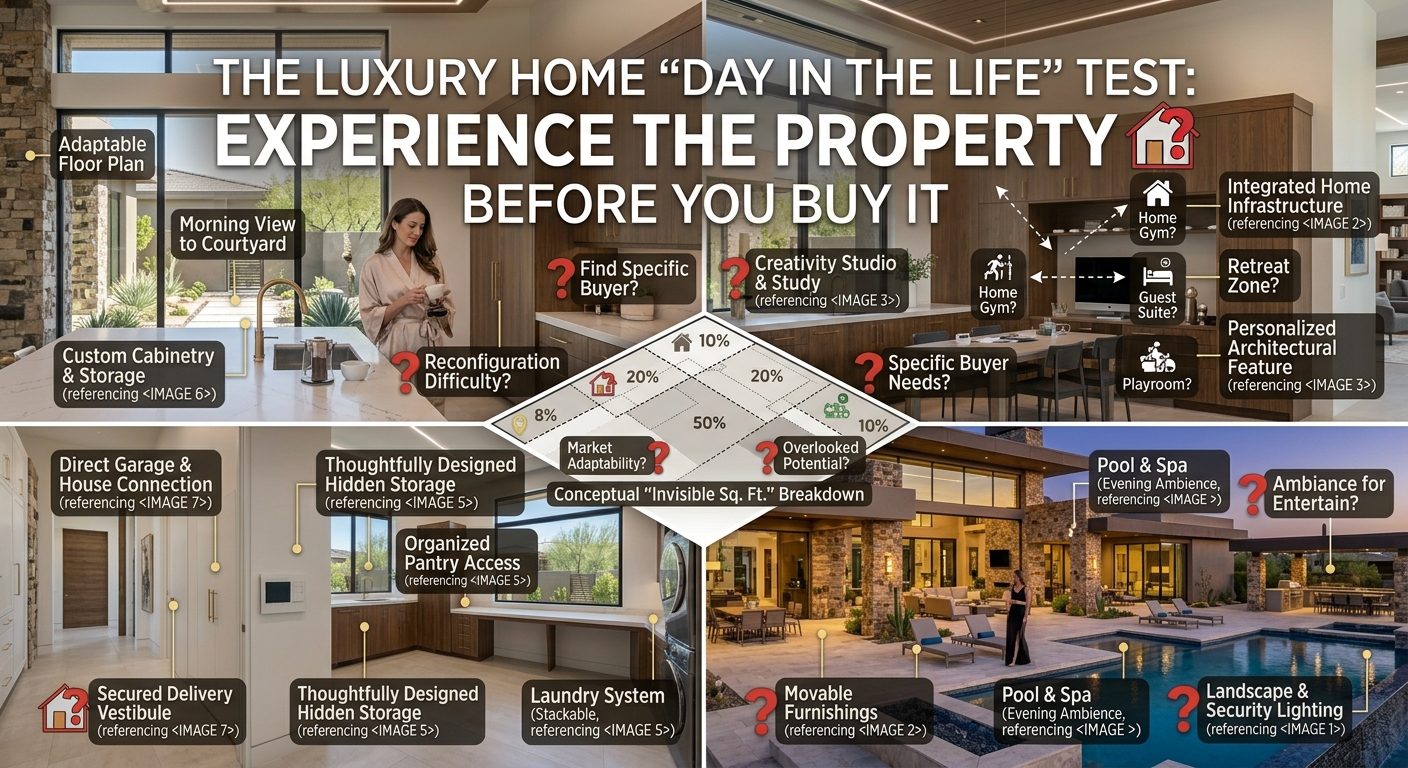
Buying a luxury estate is a major milestone.
The keys are handed over.
The paperwork is completed.
The moving trucks arrive.
And eventually, the excitement of closing day gives way to something much more practical:
Owning the property.
That's when many new luxury homeowners discover that an exceptional estate can have an equally exceptional number of details to understand.
There may be multiple HVAC systems.
A pool and spa.
Advanced security.
Smart-home technology.
Landscape irrigation.
Water features.
Specialized appliances.
Gates and access controls.
Lighting systems.
Home warranties.
Maintenance contracts.
Custom finishes.
And sometimes dozens of vendors who know how to keep everything operating properly.
A luxury home doesn't necessarily come with an actual owner's manual.
But every estate owner can benefit from creating one.
Think of it as a personal ownership manual—a centralized record of everything you need to know to operate, maintain, protect, and eventually transfer the property.
📖 1. Start With the Property's “Master File”
The first step is creating one organized location for important property information.
This can be digital, physical, or both.
Consider including:
- Purchase documents
- Property disclosures
- Inspection reports
- Surveys
- Floor plans
- Architectural plans
- Renovation records
- Appliance information
- Warranty documents
- Insurance information
- Maintenance records
- Vendor contacts
- Utility information
- Smart-home documentation
- Pool and landscape records
- Security information
The goal is simple:
If you need to know something about the property six months from now, you shouldn't have to start from scratch.
🏠 2. Document What You Inherited From the Previous Owner
One of the most useful sources of information may be the person who lived there before you.
If available, ask for details about:
- HVAC maintenance
- Pool service
- Landscaping
- Irrigation
- Pest control
- Appliance servicing
- Roof maintenance
- Window cleaning
- Security systems
- Smart-home technology
- Gate maintenance
- Specialty contractors
The previous owner may also know small details that aren't obvious during a traditional inspection.
For example:
Which gate occasionally needs attention?
Which appliance has a particular quirk?
Which contractor knows the custom pool system?
These details can save time and frustration later.
🔧 3. Know Every Major System
A luxury estate may contain more infrastructure than a typical home.
Create a simple system inventory.
HVAC
Record:
- Number of units
- Locations
- Model numbers
- Filter sizes
- Service provider
- Maintenance schedule
Pool and Spa
Record:
- Equipment locations
- Pumps
- Filters
- Heating systems
- Automation controls
- Cleaning systems
- Service provider
- Maintenance schedule
Water Systems
Document:
- Main shutoff
- Irrigation controls
- Water features
- Specialty filtration
- Water softening systems
- Pool water systems
Electrical
Identify:
- Main electrical panel
- Subpanels
- Generator, if applicable
- Backup systems
- Specialized equipment
You don't necessarily need to become an expert on every system.
You simply need to know what exists, where it is, and who services it.
💧 4. Understand the Irrigation System
Arizona landscaping can require carefully managed irrigation.
A new owner should understand:
- Where the irrigation controller is located
- Which zones operate which areas
- How schedules are programmed
- Where irrigation shutoffs are located
- Which areas require specialized watering
- Who maintains the system
Walk the property while the irrigation system is operating.
Look for unusual pooling, broken emitters, overspray, or areas receiving noticeably different amounts of water.
Understanding the system early can help prevent small problems from becoming expensive landscape issues.
🌵 5. Create a Landscape Map
A luxury property's landscaping may be part of its identity.
Document:
- Major trees
- Specialty plants
- Irrigation zones
- Lighting
- Decorative features
- Water features
- Seasonal plants
- Pool landscaping
- Privacy landscaping
Ask the landscape professional which plants require special care.
You may also want to document areas that were intentionally designed to provide privacy, shade, screening, or views.
That information can become particularly valuable when future landscaping decisions are made.
🏊 6. Build a Pool and Spa Maintenance Record
Pools are not simply amenities.
They are systems.
Keep track of:
- Cleaning schedule
- Chemical maintenance
- Equipment servicing
- Filter cleaning
- Pump information
- Heater information
- Automation system
- Lighting
- Water features
- Seasonal maintenance
Know where the equipment is located and understand the basic purpose of each major component.
If something goes wrong, knowing which system is affected can make the service call much more efficient.
🔐 7. Create a Security and Access Inventory
Privacy is often an important part of luxury living.
Document:
- Security system
- Cameras
- Door access
- Gate controls
- Garage access
- Keypads
- Smart locks
- Alarm procedures
- Emergency contacts
Review every access credential after taking ownership.
That includes:
- Garage codes
- Gate codes
- Smart-home accounts
- Security passwords
- Wi-Fi credentials
- Digital access permissions
Ownership is also an opportunity to make sure access is controlled by the people you actually want to have it.
📱 8. Learn the Smart-Home Ecosystem
A sophisticated home can contain multiple technology platforms.
Lighting.
Climate control.
Audio.
Video.
Security.
Shades.
Pool equipment.
Entry systems.
Garage doors.
Rather than treating each device separately, identify the overall technology ecosystem.
Create a simple list showing:
System → App → Account → Vendor → Support Information
Keep account credentials secure and follow good password-management practices.
The goal is to make the technology understandable rather than mysterious.
🧾 9. Build a Vendor Directory
A luxury property can depend on a surprisingly large network of professionals.
Create a vendor list for:
- HVAC
- Pool
- Landscaping
- Irrigation
- Pest control
- Roofing
- Plumbing
- Electrical
- Security
- Smart-home technology
- Cleaning
- Windows
- Garage doors
- Appliances
- Tree care
Include:
Company name | Contact | Service | Last service | Next service | Notes
Over time, this becomes one of the most valuable parts of your ownership manual.
📅 10. Create a Property Maintenance Calendar
Don't rely entirely on memory.
Create recurring reminders for:
- HVAC servicing
- Filter replacement
- Pool maintenance
- Irrigation inspections
- Tree trimming
- Pest control
- Roof inspections
- Gutter or drainage checks where applicable
- Exterior cleaning
- Appliance servicing
- Generator maintenance
- Security-system checks
The exact schedule should depend on the property's systems, manufacturer's recommendations, and professional advice.
The important part is having a system for remembering.
📸 11. Photograph the Property When You Take Ownership
Take detailed photographs shortly after closing.
Document:
- Interior finishes
- Appliances
- Mechanical rooms
- Pool equipment
- Landscape
- Roof-accessible areas where appropriate
- Garage
- Exterior structures
- Technology equipment
These photographs create a baseline.
If something changes later, you have a visual record of what the property looked like when you took ownership.
🧰 12. Know Where the Shutoffs Are
Every estate owner should know the location of critical shutoffs.
At minimum, identify:
- Main water shutoff
- Gas shutoff, if applicable
- Electrical main
- Pool equipment shutoffs
- Irrigation shutoff
- Other property-specific emergency controls
Don't wait for an emergency to discover where these are located.
Consider asking the appropriate professional to walk you through them.
🛡️ 13. Review Your Insurance After Closing
A high-value property may have insurance considerations that differ from those of a conventional home.
Review your coverage with your insurance professional.
Pay attention to:
- Dwelling coverage
- Personal property
- Valuable items
- Liability
- Additional structures
- Pool and outdoor features
- Special equipment
- Deductibles
- Coverage limitations
Your insurance needs should reflect the actual property and how you use it.
📋 14. Keep a Renovation and Improvement Log
Every improvement should eventually become part of the home's history.
Record:
Date → Project → Contractor → Cost → Materials → Warranty → Documentation
This might include:
- Kitchen renovations
- Bathroom renovations
- HVAC replacement
- Roofing
- Pool improvements
- Landscaping
- Smart-home upgrades
- Solar or energy systems
- New windows
- Exterior improvements
Years later, this information can help with maintenance, insurance, future renovations, and eventually resale.
💎 15. Document Specialty Materials
Luxury homes often contain materials that require specific care.
Examples might include:
- Natural stone
- Custom millwork
- Specialty flooring
- Imported tile
- Custom cabinetry
- High-end appliances
- Specialty fixtures
- Outdoor stonework
- Custom metalwork
Record the manufacturer or installer whenever possible.
Knowing exactly what a material is can make future repairs significantly easier.
🗝️ 16. Create an Emergency Contact Sheet
Your ownership manual should include a one-page emergency reference.
Consider listing:
- Utility emergency numbers
- Preferred plumber
- Electrician
- HVAC provider
- Security provider
- Pool professional
- Property manager
- Insurance contact
- Trusted contractor
- Gate/access provider
Keep a copy somewhere accessible.
A digital version can also be stored securely for quick access.
🏡 17. Learn the Property's Personality
Every estate has patterns.
Maybe one bedroom gets the best morning light.
Maybe one patio becomes especially comfortable in the evening.
Maybe certain rooms stay cooler.
Maybe particular landscaping areas require more attention.
Maybe the best entertaining route is different from what you initially expected.
Spend time learning these patterns.
The first few months of ownership are not just about maintaining the property.
They're about understanding it.
🔍 18. Don't Ignore Small Problems
Luxury homes can make small problems easy to overlook.
A slow drain.
A gate that occasionally hesitates.
A sprinkler zone that behaves differently.
A smart-home device that disconnects.
A small roof concern.
A door that doesn't close properly.
Document these issues.
Small problems don't automatically become major ones, but keeping track of them gives you an opportunity to address them before they become more disruptive.
📊 19. Review the Manual Every Year
Your ownership manual shouldn't remain untouched in a digital folder.
Review it annually.
Update:
- Vendor contacts
- Warranty information
- Equipment
- Maintenance records
- Access information
- Renovation history
- Insurance
- Emergency contacts
- Technology
- Property photographs
A home changes over time.
Your ownership manual should change with it.
🔄 20. Think of the Manual as Part of the Estate's Long-Term Story
Eventually, another owner may need this information.
Perhaps that's years from now.
But a comprehensive property record can become an unexpected asset.
It can help future owners understand:
- What was installed
- Who maintained it
- When improvements occurred
- Which systems were replaced
- How the property operates
- What makes the home unique
In that sense, an ownership manual becomes more than a maintenance document.
It becomes part of the property's history.
💬 A Murphy Group Perspective
“The best luxury home ownership experience isn't simply about having beautiful spaces. It's about understanding the property well enough to care for it, enjoy it, and preserve what makes it special. A good ownership record gives homeowners confidence long after the closing table.”
— Mary Murphy, The Murphy Group
A luxury estate represents a significant investment of both money and lifestyle.
Understanding how the property works can help protect both.
📊 The Bottom Line
The keys are only the beginning.
A luxury home can contain dozens of systems, vendors, maintenance requirements, technology platforms, and specialized features.
The more organized you are, the easier it becomes to manage them.
Your personal ownership manual should answer five basic questions:
What does this property have?
How does it work?
Who maintains it?
When does it need attention?
Where is the documentation?
You don't need to create the perfect manual on your first day.
Start with the essentials.
Document what you learn.
Add information as you go.
Over time, you'll have something incredibly valuable:
A practical guide to owning your estate with confidence.
📲 Discover Arizona Luxury Homes With the Bigger Picture in Mind
If you're searching for a luxury home in Scottsdale, Paradise Valley, North Scottsdale, or the East Valley, The Murphy Group can help you look beyond finishes and impressive features.
The right luxury property should make sense not only at the showing, but also through the realities of ownership—from maintenance and systems to privacy, functionality, outdoor living, and long-term enjoyment.
Because buying the estate is only the beginning of the ownership story.

Mary Murphy
Team Leader | The Murphy Group - AZ | eXp Luxury | PLACE
or another way