

Categories
Scottsdale Luxury Real Estate, Scottsdale Real Estate, Paradise Valley Luxury, Arizona Luxury, Arizona Real EstatePublished June 18, 2026
How Luxury Homeowners Can Protect Their Property Value for the Next Decade

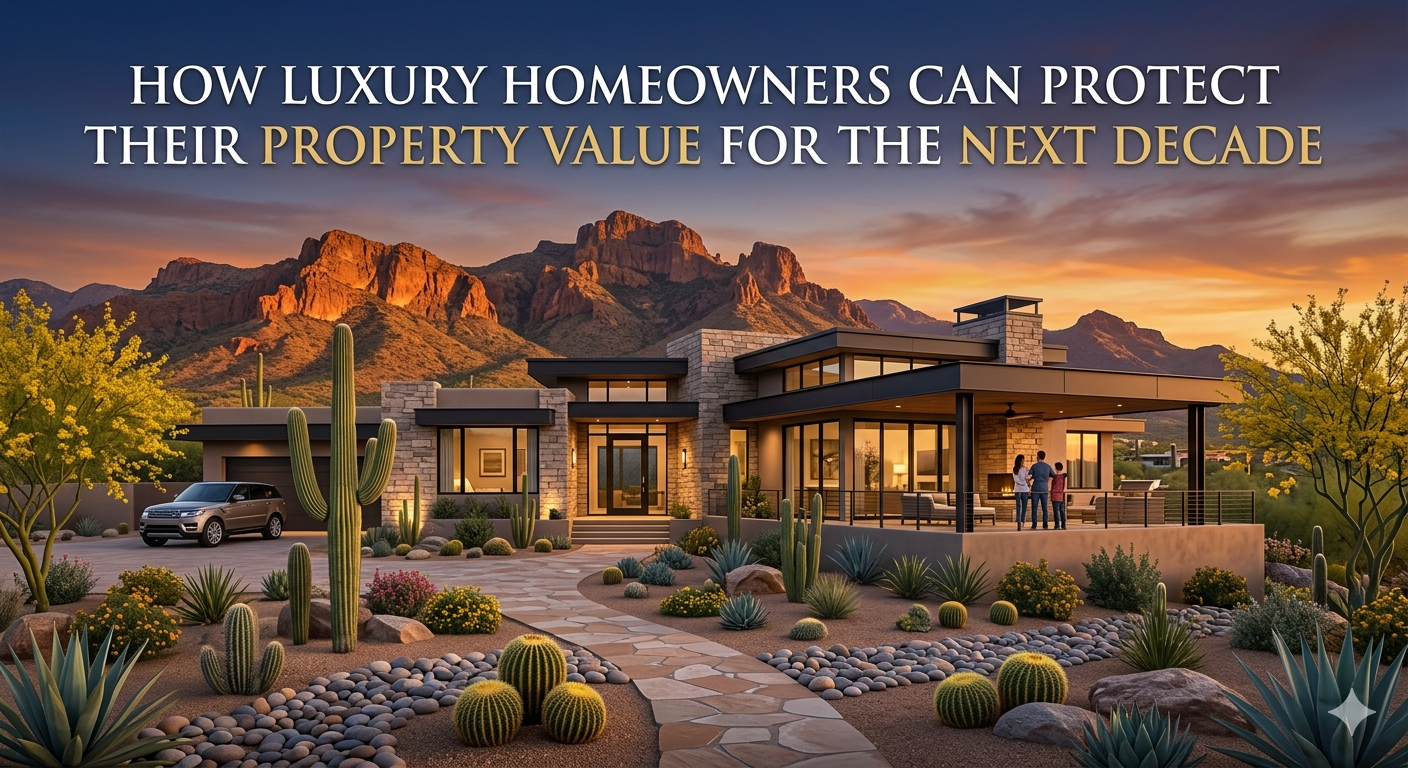
Owning a luxury home in Arizona is not just a lifestyle decision—it’s a long-term asset strategy.
But unlike traditional investments, real estate value doesn’t remain stable on its own.
👉 It must be actively protected.
Over the next decade, factors like design trends, climate resilience, neighborhood evolution, and buyer expectations will continue shaping how luxury homes hold value in Scottsdale, Paradise Valley, and the greater Phoenix area.
As Mary Murphy of The Murphy Group explains:
"Luxury homes don’t just maintain value by existing in a strong market. They maintain value when they stay aligned with what future buyers want."
🏡 1. Prioritize Timeless Over Trend-Driven Design
One of the biggest threats to long-term value is over-personalization.
To protect value, homeowners should favor:
- Neutral, architectural color palettes
- Natural materials (stone, wood, glass)
- Clean, enduring design lines
- Flexible, open layouts
Avoid highly trend-specific design choices that may age quickly.
🌵 2. Invest in Climate-Resilient Features
Arizona’s desert environment makes durability essential.
High-value upgrades include:
- High-efficiency HVAC systems
- Advanced insulation and windows
- UV-resistant exterior materials
- Energy-efficient roofing systems
- Smart climate controls
Homes that perform well in extreme heat consistently retain stronger buyer appeal.
🔧 3. Maintain Exterior and Landscape Consistently
Curb appeal in luxury real estate is not optional—it’s financial protection.
Key maintenance areas:
- Desert-friendly landscaping upkeep
- Irrigation system health
- Exterior paint and surface condition
- Roof inspection and maintenance
- Driveway and hardscape care
Neglect is one of the fastest ways to reduce perceived value.
🌅 4. Protect Views and Privacy at All Costs
Views are one of Arizona’s most valuable real estate assets—but also one of the most vulnerable.
Homeowners should monitor:
- New construction near view corridors
- Tree growth blocking sightlines
- Zoning changes in surrounding areas
- Privacy erosion from neighboring builds
Once a view is lost, it rarely returns.
🧠 5. Keep Floor Plans Flexible for Future Buyers
Lifestyle needs evolve over time.
Flexible layouts help preserve value by accommodating:
- Remote work spaces
- Multi-generational living
- Guest accommodations
- Wellness or fitness rooms
Adaptability is a major resale advantage.
💡 6. Upgrade Technology Thoughtfully, Not Excessively
Smart home features are increasingly expected—but balance matters.
Valuable upgrades include:
- Integrated security systems
- Smart lighting and climate control
- Energy monitoring systems
- Automated shading and window treatments
Avoid overly complex systems that may become obsolete or difficult to maintain.
🌴 7. Focus on Outdoor Living Quality
In Arizona luxury real estate, outdoor space is not secondary—it’s central.
Long-term value is supported by:
- Functional outdoor kitchens
- Durable pool systems and materials
- Shaded entertainment areas
- Low-maintenance landscaping
- Seamless indoor-outdoor flow
Outdoor usability strongly influences buyer perception.
📈 8. Monitor Neighborhood Trajectory
Even the best home can be affected by surrounding changes.
Homeowners should track:
- New developments or zoning changes
- School district reputation
- Infrastructure improvements
- Commercial expansion or decline
- Community maintenance standards
Neighborhood momentum plays a major role in long-term appreciation.
🧾 9. Stay Ahead of Maintenance, Not Behind It
Deferred maintenance compounds quickly in luxury properties.
Key systems to maintain:
- HVAC and mechanical systems
- Plumbing and water systems
- Roofing and exterior surfaces
- Pools and water features
- Electrical systems and automation
Well-maintained homes consistently outperform neglected ones in resale.
🪟 10. Preserve Architectural Integrity
Major renovations should enhance—not dilute—the original design intent.
Protect value by:
- Matching materials and finishes carefully
- Avoiding disjointed additions
- Maintaining proportional design balance
- Working with experienced luxury architects and designers
Cohesive design always performs better in resale.
💰 11. Think Like a Future Buyer, Not Just an Owner
The strongest long-term value comes from anticipating what the next buyer will want.
Future buyers will prioritize:
- Privacy
- Efficiency
- Low maintenance
- Flexible living
- Move-in readiness
Homes aligned with these expectations tend to hold value more consistently.
💼 How The Murphy Group Helps Protect Long-Term Value
The Murphy Group works with luxury homeowners not just at the point of sale—but years before.
Their strategy includes:
- Long-term market positioning advice
- Renovation ROI guidance
- Neighborhood trend analysis
- Value preservation planning
As Mary Murphy notes:
"The best time to think about resale value is the day you buy—or the day you decide to improve your home."
📊 The Bottom Line
Protecting luxury home value over the next decade requires more than ownership—it requires strategy.
The most important value drivers include:
👉 Timeless design choices
👉 Climate resilience
👉 Strong maintenance habits
👉 View and privacy protection
👉 Neighborhood awareness
👉 Functional, flexible living spaces
Because in luxury real estate, value doesn’t just come from what you buy—
👉 It comes from how you maintain and evolve it.
📲 Protect and Grow Your Arizona Luxury Home Value
Whether you're planning renovations, preparing to sell, or simply protecting your investment, The Murphy Group can help you make strategic long-term decisions.
👉 Start here: www.mgsellsarizona.com
{ "blog": { "meta": { "title": "", "subtitle": "", "author": "", "team_or_brand": "", "location_market": "", "date": "", "category": "", "tags": [] }, "hook": { "opening_statement": "", "problem_or_observation": "", "hook_style": "market_confusion | buyer_behavior | seller_strategy | luxury_psychology" }, "expert_quote": { "name": "", "role": "", "quote": "" }, "intro_context": { "overview": "", "market_context": "", "key_theme": "" }, "sections": [ { "section_id": 1, "title": "", "theme": "psychology | pricing | design | market_trends | buyer_behavior | seller_strategy", "narrative": "", "key_points": [ "" ] } ], "insight_blocks": [ { "type": "bullet_explainer | psychology | trend_shift | myth_vs_reality | strategy", "title": "", "content": "" } ], "buyer_or_seller_psychology": { "core_behavior_shift": "", "decision_factors": [ "price", "certainty", "lifestyle_fit", "risk_reduction", "emotion" ], "key_takeaway": "" }, "market_analysis": { "what_people_think": "", "what_is_really_happening": "", "why_it_matters": "" }, "expert_insight_block": { "name": "", "quote": "", "interpretation": "" }, "strategy_section": { "for_buyers": [ "" ], "for_sellers": [ "" ], "for_investors_if_applicable": [ "" ] }, "value_drivers": [ "" ], "common_misconceptions": [ "" ], "market_forces": [ "" ], "psychology_principles": [ "" ], "closing_summary": { "summary": "", "final_takeaway": "", "positioning_statement": "" }, "cta": { "message": "", "link_text": "", "link_url": "" } } }
{ "blog": { "meta": { "title": "", "subtitle": "", "author": "", "team_or_brand": "", "location_market": "", "date": "", "category": "", "tags": [] }, "hook": { "opening_statement": "", "problem_or_observation": "", "hook_style": "market_confusion | buyer_behavior | seller_strategy | luxury_psychology" }, "expert_quote": { "name": "", "role": "", "quote": "" }, "intro_context": { "overview": "", "market_context": "", "key_theme": "" }, "sections": [ { "section_id": 1, "title": "", "theme": "psychology | pricing | design | market_trends | buyer_behavior | seller_strategy", "narrative": "", "key_points": [ "" ] } ], "insight_blocks": [ { "type": "bullet_explainer | psychology | trend_shift | myth_vs_reality | strategy", "title": "", "content": "" } ], "buyer_or_seller_psychology": { "core_behavior_shift": "", "decision_factors": [ "price", "certainty", "lifestyle_fit", "risk_reduction", "emotion" ], "key_takeaway": "" }, "market_analysis": { "what_people_think": "", "what_is_really_happening": "", "why_it_matters": "" }, "expert_insight_block": { "name": "", "quote": "", "interpretation": "" }, "strategy_section": { "for_buyers": [ "" ], "for_sellers": [ "" ], "for_investors_if_applicable": [ "" ] }, "value_drivers": [ "" ], "common_misconceptions": [ "" ], "market_forces": [ "" ], "psychology_principles": [ "" ], "closing_summary": { "summary": "", "final_takeaway": "", "positioning_statement": "" }, "cta": { "message": "", "link_text": "", "link_url": "" } } }
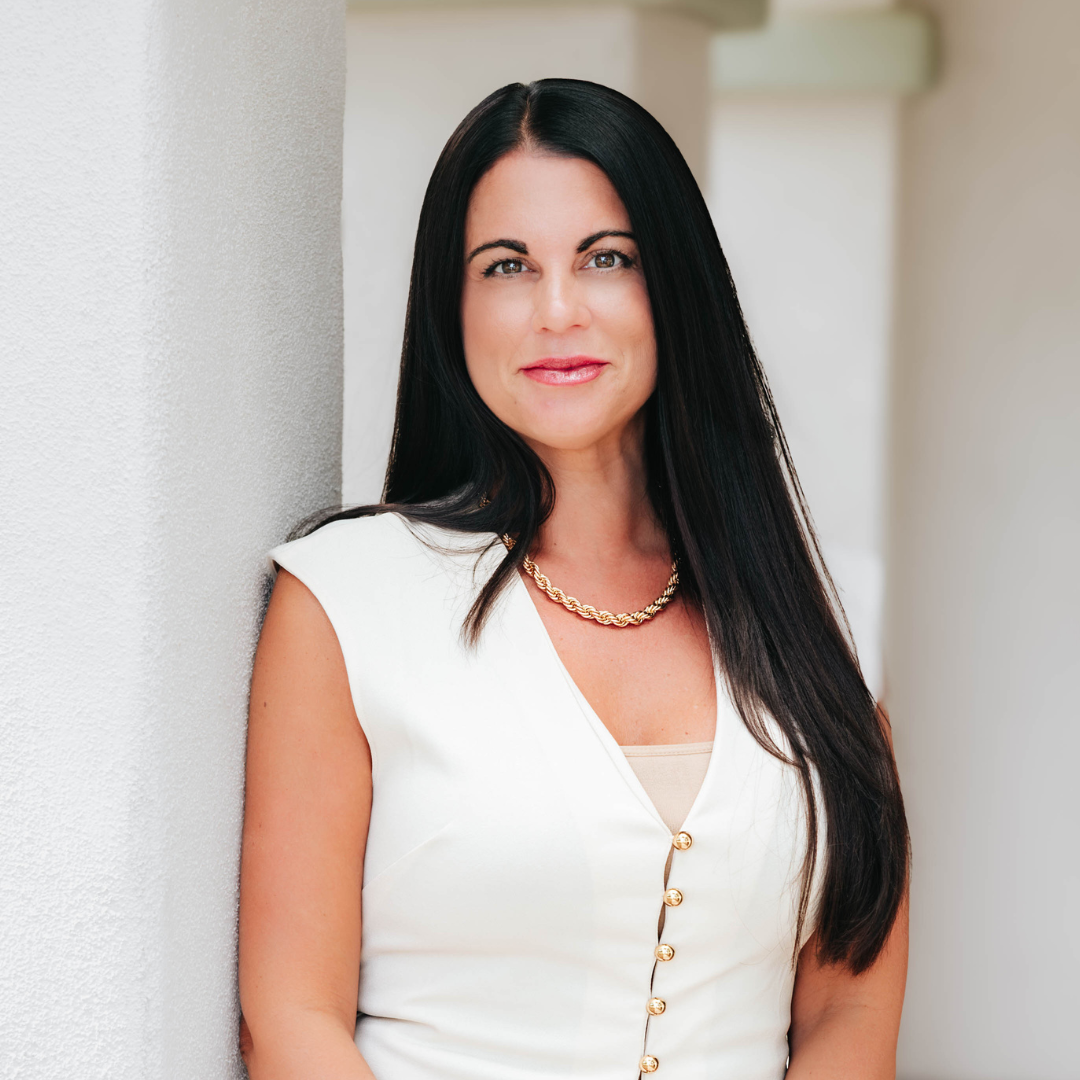
Mary Murphy
Team Leader | The Murphy Group - AZ | eXp Luxury | PLACE
or another way