

Categories
Arizona Luxury, Arizona Real Estate, Scottsdale Real Estate, Scottsdale Luxury Real Estate, energy-efficient estatesPublished November 19, 2025
How Desert Architecture Makes Million-Dollar Homes More Valuable

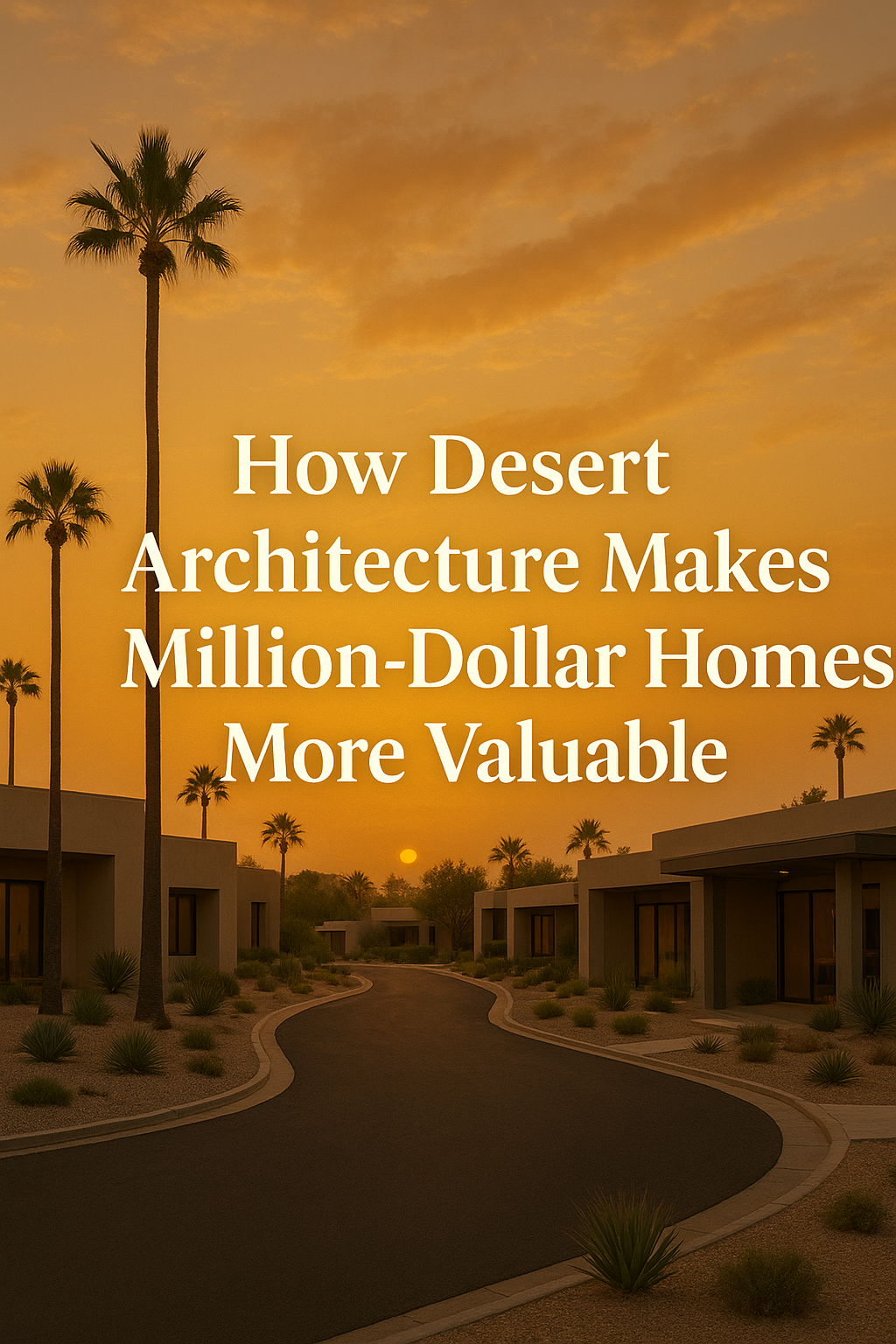
Arizona’s climate creates a unique opportunity: when architecture is designed for the desert, luxury homes become more comfortable, more energy-efficient, and significantly more valuable.
For buyers in the $1M–$20M+ range, these design features are no longer “extras”—they’re expectations.
Mary Murphy, founder of The Murphy Group, explains:
“The best desert homes blend beauty with intelligent design. Our luxury buyers want comfort, efficiency, and indoor–outdoor flow that feels effortless.”
Below, we break down the architectural strategies that make desert homes stand out—and why they consistently command higher prices and stronger resale demand.
🌞 1. Passive Cooling: The Desert’s Natural Air Conditioning
Known For: Lower energy bills, greater comfort, and reduced strain on HVAC systems
Value Impact: Energy efficiency + sustainability = measurable long-term savings
What Makes It Valuable:
- Deep roof overhangs that block harsh high-angle sun
- Courtyards that promote natural airflow
- Shade structures that keep outdoor areas usable year-round
- Clerestory windows that draw hot air upward and out
Homes using passive cooling can reduce interior temps by 8–15°F naturally, making them extremely appealing to high-end buyers focused on comfort and sustainability.
💬 Buyer Insight: Homes with passive-cooling architecture often score higher on buyer tours because they “feel better” the moment you walk in.
🧱 2. Desert-Friendly Materials That Last Longer
Known For: Durability, luxury aesthetics, and reduced long-term maintenance
Value Impact: Materials that patina beautifully—without degrading in desert heat
What Sets These Materials Apart:
- Rammed earth, adobe, and insulated concrete forms that regulate temperature
- Metal roofing and foam-insulated flat roofs designed for heat reflection
- Natural stone, stucco, and steel accents built to weather extreme sun
- High-performance windows that reduce solar gain
Luxury buyers appreciate materials that marry beauty with longevity—and builders capitalize on these premium finishes to market “desert-proof design.”
🧭 3. Architectural Orientation: Sun, Shade & Mountain Views
Known For: Perfect interior lighting, cooler spaces, and postcard-worthy views
Value Impact: Orientation can add hundreds of thousands to a home’s desirability
Why Orientation Matters:
- North–south alignment reduces heat exposure
- East-facing outdoor living keeps patios cooler in summer
- Positioning captures Camelback or McDowell Mountain views
- Window placement balances natural light without overheating rooms
Orientation is one of the most overlooked elements by buyers—yet it’s one of the biggest contributors to long-term value.
🌵 4. Native Landscaping & Microclimates
Known For: Beauty, shade creation, and low water usage
Value Impact: Increased outdoor livability + long-term sustainability
High-value landscape strategies:
- Mesquite and palo verde trees planted for natural shading
- Desert courtyards that cool incoming air
- Boulders and stone retaining walls that store nighttime cool
- Xeriscaping that cuts water usage dramatically
Luxury buyers appreciate lush desert environments that are both beautiful and low-maintenance.
🏜️ 5. Indoor–Outdoor Flow That Works in a Desert Climate
Known For: Seamless living experience and high resale appeal
Value Impact: These features often define whether a luxury home feels “premium”
Hallmark design features:
- Pocketing glass walls with UV-blocking technology
- Deep patios with misting systems and fans
- Integrated outdoor kitchens + shaded entertainment spaces
- Architectural alignment that frames sunsets and mountain silhouettes
“Arizona buyers live outdoors,” Mary says. “Homes that embrace that lifestyle become instantly more desirable.”
🔥 6. Desert Modernism: The Architecture That Sells
Known For: Clean lines, natural materials, earth-toned palettes
Value Impact: Desert-modern homes consistently sell faster—and for more
Why It Works:
- Minimalist forms that blend with mountain landscapes
- Sustainable materials that age beautifully
- Warm, organic textures that soften contemporary luxury
- Floorplans designed to maximize light and airflow
Architects like Drewett Works and builders like BedBrock and Cullum have helped define this ultra-luxury aesthetic.
📊 Why Desert Architecture Drives Higher Home Values
Homes designed for the desert are:
- Cooler and more comfortable year-round
- Cheaper to operate
- Built with materials that last longer
- Better integrated into the natural landscape
- More visually striking—and more memorable to buyers
The result? Superior resale value, faster market absorption, and competition among high-end buyers.
💼 Why You Need an Expert When Evaluating Desert Design
Not all “desert homes” are created equal.
Working with an expert ensures you get the highest-value features:
- Architectural review for passive-cooling elements
- Orientation analysis for sun, views, and comfort
- Evaluation of materials, window systems, and landscape design
- Insight into long-term maintenance and ROI
- Identification of hidden design flaws in luxury builds
The Murphy Group specializes in guiding high-net-worth buyers toward homes that offer both beauty and long-term value.
📲 Ready to Find a Desert Home Designed for Luxury Living?
From architectural insights to curated luxury tours, The Murphy Group helps clients identify the homes that perform best—financially and experientially.
📞 Begin your luxury home search at www.mgsellsarizona.com
Arizona’s climate creates a unique opportunity: when architecture is designed for the desert, luxury homes become more comfortable, more energy-efficient, and significantly more valuable.
For buyers in the $1M–$20M+ range, these design features are no longer “extras”—they’re expectations.
Mary Murphy, founder of The Murphy Group, explains:
“The best desert homes blend beauty with intelligent design. Our luxury buyers want comfort, efficiency, and indoor–outdoor flow that feels effortless.”
Below, we break down the architectural strategies that make desert homes stand out—and why they consistently command higher prices and stronger resale demand.
🌞 1. Passive Cooling: The Desert’s Natural Air Conditioning
Known For: Lower energy bills, greater comfort, and reduced strain on HVAC systems
Value Impact: Energy efficiency + sustainability = measurable long-term savings
What Makes It Valuable:
- Deep roof overhangs that block harsh high-angle sun
- Courtyards that promote natural airflow
- Shade structures that keep outdoor areas usable year-round
- Clerestory windows that draw hot air upward and out
Homes using passive cooling can reduce interior temps by 8–15°F naturally, making them extremely appealing to high-end buyers focused on comfort and sustainability.
💬 Buyer Insight: Homes with passive-cooling architecture often score higher on buyer tours because they “feel better” the moment you walk in.
🧱 2. Desert-Friendly Materials That Last Longer
Known For: Durability, luxury aesthetics, and reduced long-term maintenance
Value Impact: Materials that patina beautifully—without degrading in desert heat
What Sets These Materials Apart:
- Rammed earth, adobe, and insulated concrete forms that regulate temperature
- Metal roofing and foam-insulated flat roofs designed for heat reflection
- Natural stone, stucco, and steel accents built to weather extreme sun
- High-performance windows that reduce solar gain
Luxury buyers appreciate materials that marry beauty with longevity—and builders capitalize on these premium finishes to market “desert-proof design.”
🧭 3. Architectural Orientation: Sun, Shade & Mountain Views
Known For: Perfect interior lighting, cooler spaces, and postcard-worthy views
Value Impact: Orientation can add hundreds of thousands to a home’s desirability
Why Orientation Matters:
- North–south alignment reduces heat exposure
- East-facing outdoor living keeps patios cooler in summer
- Positioning captures Camelback or McDowell Mountain views
- Window placement balances natural light without overheating rooms
Orientation is one of the most overlooked elements by buyers—yet it’s one of the biggest contributors to long-term value.
🌵 4. Native Landscaping & Microclimates
Known For: Beauty, shade creation, and low water usage
Value Impact: Increased outdoor livability + long-term sustainability
High-value landscape strategies:
- Mesquite and palo verde trees planted for natural shading
- Desert courtyards that cool incoming air
- Boulders and stone retaining walls that store nighttime cool
- Xeriscaping that cuts water usage dramatically
Luxury buyers appreciate lush desert environments that are both beautiful and low-maintenance.
🏜️ 5. Indoor–Outdoor Flow That Works in a Desert Climate
Known For: Seamless living experience and high resale appeal
Value Impact: These features often define whether a luxury home feels “premium”
Hallmark design features:
- Pocketing glass walls with UV-blocking technology
- Deep patios with misting systems and fans
- Integrated outdoor kitchens + shaded entertainment spaces
- Architectural alignment that frames sunsets and mountain silhouettes
“Arizona buyers live outdoors,” Mary says. “Homes that embrace that lifestyle become instantly more desirable.”
🔥 6. Desert Modernism: The Architecture That Sells
Known For: Clean lines, natural materials, earth-toned palettes
Value Impact: Desert-modern homes consistently sell faster—and for more
Why It Works:
- Minimalist forms that blend with mountain landscapes
- Sustainable materials that age beautifully
- Warm, organic textures that soften contemporary luxury
- Floorplans designed to maximize light and airflow
Architects like Drewett Works and builders like BedBrock and Cullum have helped define this ultra-luxury aesthetic.
📊 Why Desert Architecture Drives Higher Home Values
Homes designed for the desert are:
- Cooler and more comfortable year-round
- Cheaper to operate
- Built with materials that last longer
- Better integrated into the natural landscape
- More visually striking—and more memorable to buyers
The result? Superior resale value, faster market absorption, and competition among high-end buyers.
💼 Why You Need an Expert When Evaluating Desert Design
Not all “desert homes” are created equal.
Working with an expert ensures you get the highest-value features:
- Architectural review for passive-cooling elements
- Orientation analysis for sun, views, and comfort
- Evaluation of materials, window systems, and landscape design
- Insight into long-term maintenance and ROI
- Identification of hidden design flaws in luxury builds
The Murphy Group specializes in guiding high-net-worth buyers toward homes that offer both beauty and long-term value.
📲 Ready to Find a Desert Home Designed for Luxury Living?
From architectural insights to curated luxury tours, The Murphy Group helps clients identify the homes that perform best—financially and experientially.
📞 Begin your luxury home search at www.mgsellsarizona.com

Mary Murphy
Team Leader | The Murphy Group - AZ | eXp Luxury | PLACE
or another way